GLOBAL WARMING

Introduction:

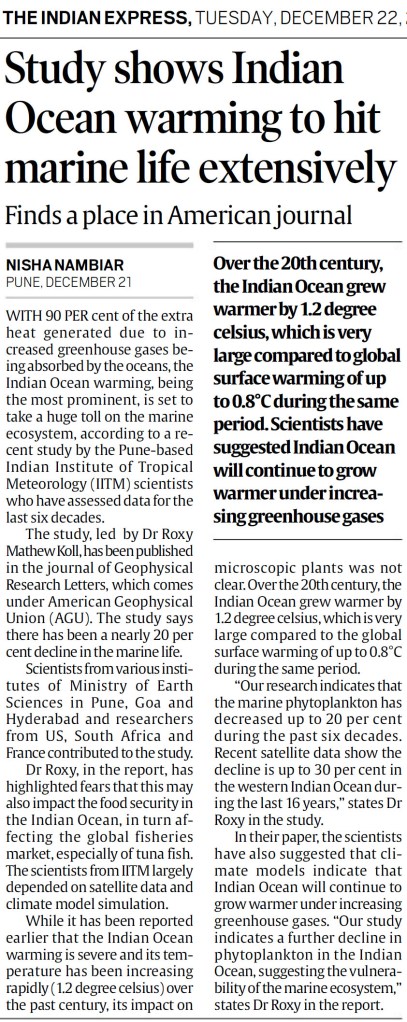
Global warming is an aspect of climate change,referring to the long term rise of the planets temperature. It is caused by increased concentrations of greenhouse gases in the atmosphere, mainly from human activities such as burning fossil fuels,deforestation and farming.

Usage:

There is no usage of global warming. Since it is an long-term heating of earth surface and also it is an natural calamity.

Disadvantages:

3.1. More frequent and severe weather. Higher temperatures are worsening many types of disasters,including storms, heat waves,floods and droughts.

3.2. Higher death rates

3.3. Dirtier air

3.4. Higher wildlife extinction rates

3.5. More acidic oceans

3.6. Higher sea levels

Conclusion:

4.1. The idea of the global warming is an long-term heating of earths climate system.

4.2. Opinion on the global warming is a bad and worst condition spoiling earth.

Scope:

Humans are affected by climate change shifting shorelines, declining agricultural productivity, crisis of food supply. These impacts will be felt differently in developed and developing worlds.

Purpose:

The purpose of global warming is to cause people to focus on the environment and realize .

It is based around an intricate model of populations,economics based on real world data.

ICE MELTING IN ANTARCTICA

1.”Rapid and unstoppable “sea level rise from melting antarctic ice shelves and glaciers might be in editable unless nations commit to even lower emissions and east a new study says.

2.Pine island glacier shield another block of ice into antarctic waters. A new study finds that unless major nations quickly commit to deeper cuts in emissions, antarctica’s ice could reach a melting tipping point by mid century, sparking dangerous sea level rise.
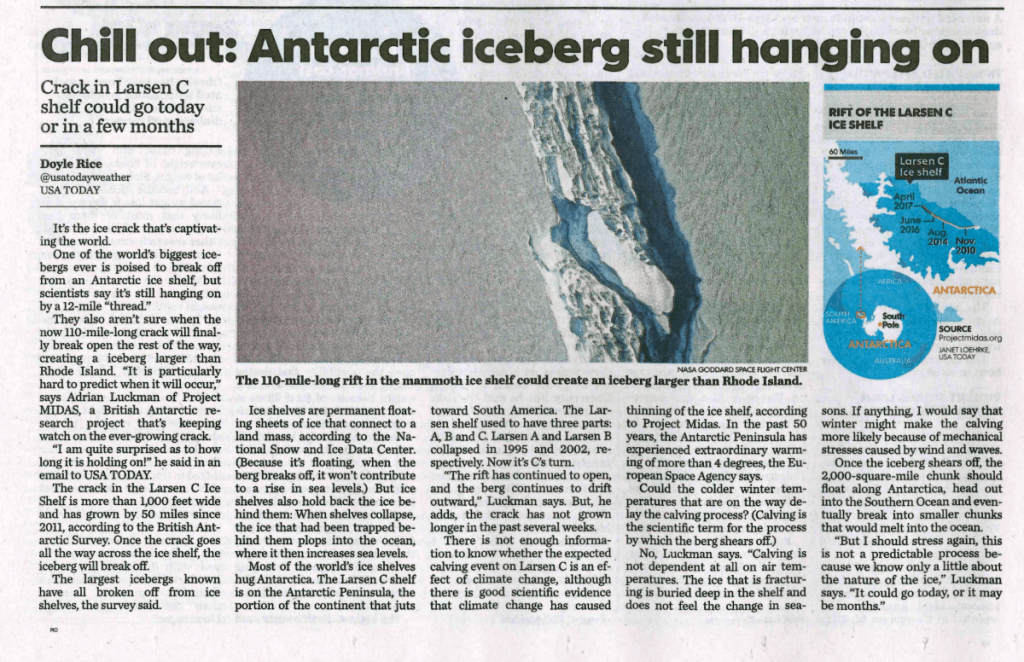
3.The melting of polar ice caps and less water evaporating into the atmosphere are causing increased sea levels.

EFFECTS OF GLOBAL WARMING

1.Climate change

2. Diseases

3. Hurricanes Frequancy

4.The Rise of Sea Level

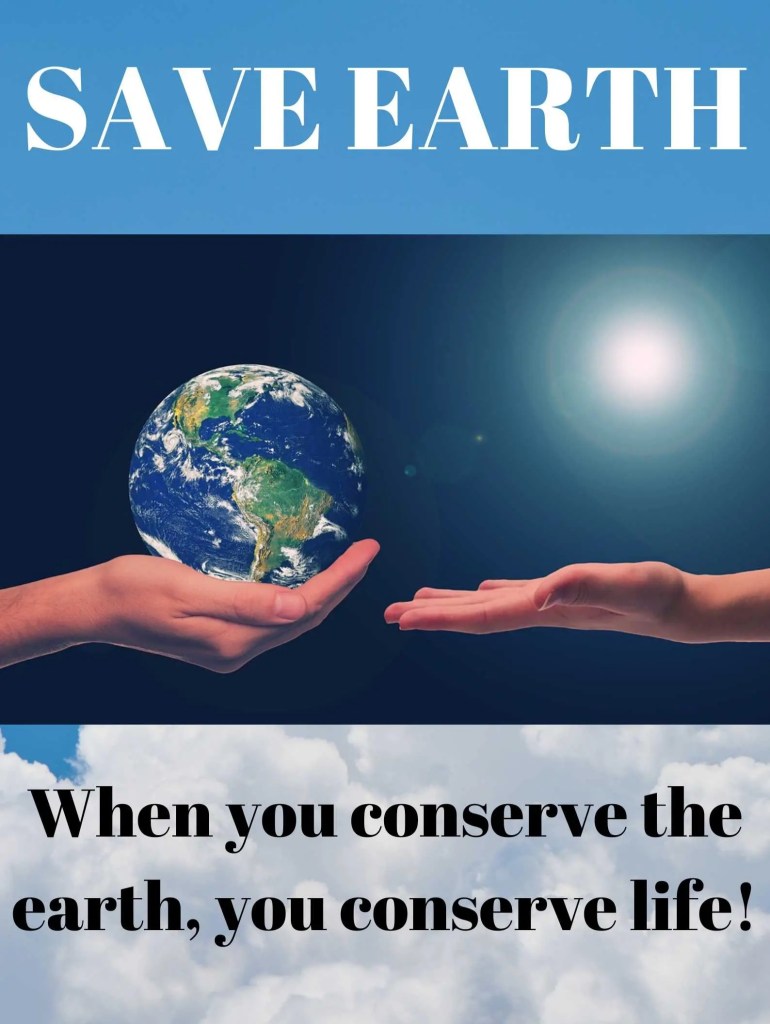
” THE GREATEST TREAT TO OUR PLANET IS THE BELIEF THAT SOMEONE ELSE WILL SAVE IT “
Introduce Yourself (Example Post)

This is an example post, originally published as part of Blogging University. Enroll in one of our ten programs, and start your blog right.

You’re going to publish a post today. Don’t worry about how your blog looks. Don’t worry if you haven’t given it a name yet, or you’re feeling overwhelmed. Just click the “New Post” button, and tell us why you’re here.

Why do this?

  • Because it gives new readers context. What are you about? Why should they read your blog?
  • Because it will help you focus your own ideas about your blog and what you’d like to do with it.

The post can be short or long, a personal intro to your life or a bloggy mission statement, a manifesto for the future or a simple outline of your the types of things you hope to publish.

To help you get started, here are a few questions:

  • Why are you blogging publicly, rather than keeping a personal journal?
  • What topics do you think you’ll write about?
  • Who would you love to connect with via your blog?
  • If you blog successfully throughout the next year, what would you hope to have accomplished?

You’re not locked into any of this; one of the wonderful things about blogs is how they constantly evolve as we learn, grow, and interact with one another — but it’s good to know where and why you started, and articulating your goals may just give you a few other post ideas.

Can’t think how to get started? Just write the first thing that pops into your head. Anne Lamott, author of a book on writing we love, says that you need to give yourself permission to write a “crappy first draft”. Anne makes a great point — just start writing, and worry about editing it later.

When you’re ready to publish, give your post three to five tags that describe your blog’s focus — writing, photography, fiction, parenting, food, cars, movies, sports, whatever. These tags will help others who care about your topics find you in the Reader. Make sure one of the tags is “zerotohero,” so other new bloggers can find you, too.

Introduce Yourself (Example Post)

This is an example post, originally published as part of Blogging University. Enroll in one of our ten programs, and start your blog right.

You’re going to publish a post today. Don’t worry about how your blog looks. Don’t worry if you haven’t given it a name yet, or you’re feeling overwhelmed. Just click the “New Post” button, and tell us why you’re here.

Why do this?

  • Because it gives new readers context. What are you about? Why should they read your blog?
  • Because it will help you focus your own ideas about your blog and what you’d like to do with it.

The post can be short or long, a personal intro to your life or a bloggy mission statement, a manifesto for the future or a simple outline of your the types of things you hope to publish.

To help you get started, here are a few questions:

  • Why are you blogging publicly, rather than keeping a personal journal?
  • What topics do you think you’ll write about?
  • Who would you love to connect with via your blog?
  • If you blog successfully throughout the next year, what would you hope to have accomplished?

You’re not locked into any of this; one of the wonderful things about blogs is how they constantly evolve as we learn, grow, and interact with one another — but it’s good to know where and why you started, and articulating your goals may just give you a few other post ideas.

Can’t think how to get started? Just write the first thing that pops into your head. Anne Lamott, author of a book on writing we love, says that you need to give yourself permission to write a “crappy first draft”. Anne makes a great point — just start writing, and worry about editing it later.

When you’re ready to publish, give your post three to five tags that describe your blog’s focus — writing, photography, fiction, parenting, food, cars, movies, sports, whatever. These tags will help others who care about your topics find you in the Reader. Make sure one of the tags is “zerotohero,” so other new bloggers can find you, too.